iMessage Phone Farms and Blue-Bubble Marketing: The Risks and the Official Route
Blue-bubble iMessage marketing looks easy, but phone-farm setups carry real platform, legal, and reputation risk. How they work and Apple's official route.
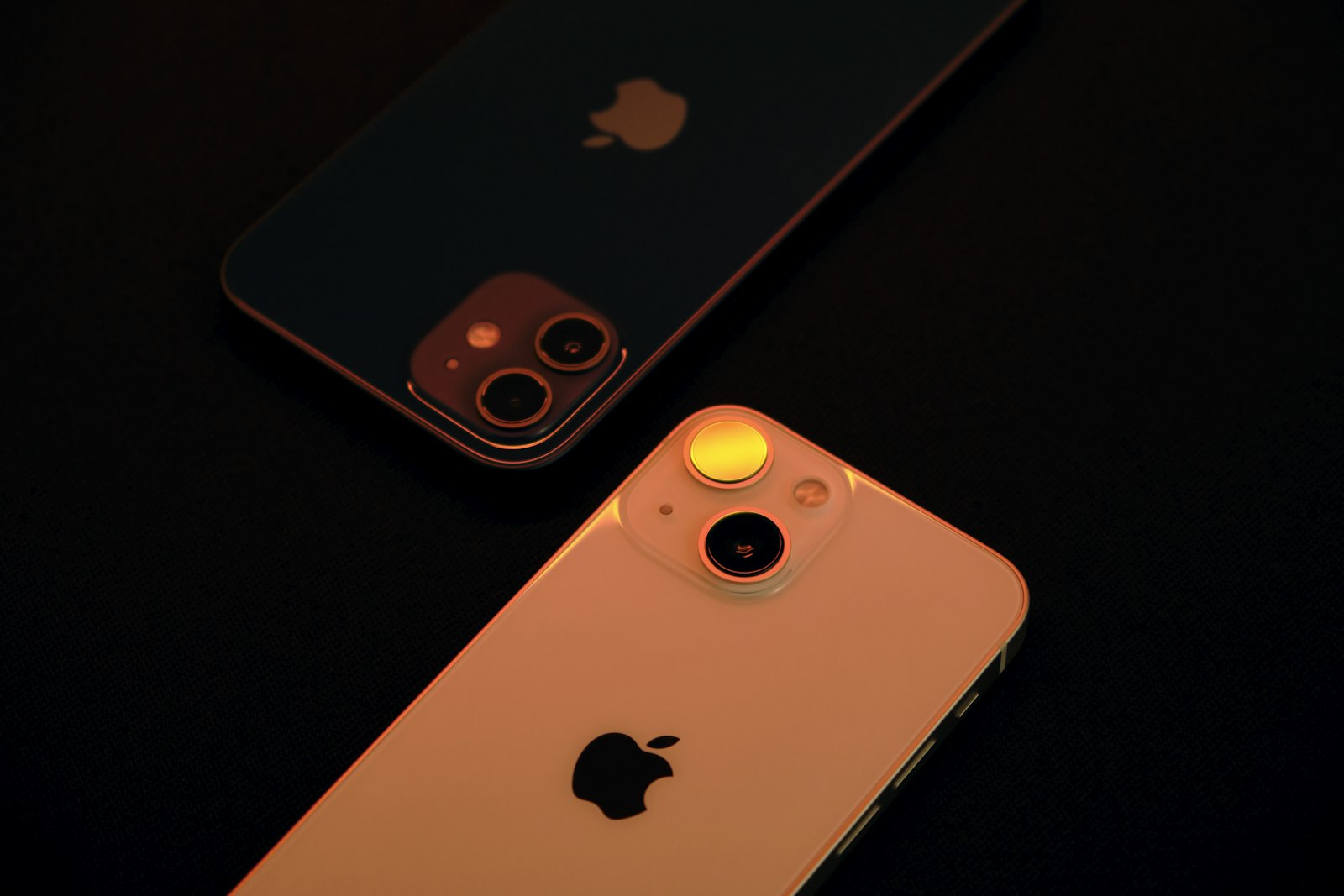
Brands are increasingly pitched iMessage as the next high-conversion marketing channel: higher reply rates, less SMS friction, and messages that land as trusted blue bubbles. But there's a catch. Apple’s official business-messaging product is Apple Messages for Business — documented on register.apple.com — and many tools promising “iMessage for business” are not using it. They rely on an unofficial hardware workaround known as an iMessage phone farm.
This guide explains why blue bubbles are so appealing, what a phone farm actually is, how it differs from Apple's official route, the platform and legal risks involved, and how to tell the two apart before you build your customer relationships on top of one.
Why Brands Want Blue Bubbles
The appeal is obvious. SMS has become more expensive, more heavily filtered, and more operationally complex — carrier registration, 10DLC, deliverability issues, and green-bubble fatigue have pushed growth teams to look for alternatives. Meanwhile, iMessage remains one of the most trusted consumer messaging interfaces in North America.
A blue bubble feels personal — it looks like a message from a friend or a known contact. That's exactly why a new category of vendors has emerged around "iMessage APIs," "blue-bubble campaigns," "iMessage for CRM," and "AI agents on iMessage." Products like Sendblue and LoopMessage openly market themselves as iMessage APIs, and the category is especially attractive to teams that want outbound inside tools like HubSpot, Salesforce, and GoHighLevel. But the same thing that makes blue bubbles attractive — a commercial message that looks personal — is what makes them risky.
What Is an iMessage Phone Farm?
An iMessage phone farm is infrastructure that uses real Apple hardware and Apple identities to push business-triggered messages through consumer iMessage rails. A simplified version looks like this:
A vendor provides a phone number, usually via a SIM or eSIM. That number is registered to iMessage through a consumer Apple Account. An iPhone — often paired with a Mac mini as the automation endpoint — is configured to send and receive iMessages for that identity. The vendor exposes an API on top of that device bridge and connects it to marketing or CRM software. The business sends from its platform; the recipient just sees an ordinary blue-bubble iMessage from a phone number.
Crucially, that consumer Apple ID and number are not set up with a verified business identity or contact card. The iPhone, Mac mini, Apple ID, SIM, and API layer are all just sending infrastructure impersonating a personal sender.
How Apple's Official Route Is Different
Apple's official business channel is Apple Messages for Business, and its design is the opposite of a phone farm in three important ways.
Presentation: Apple’s FAQ distinguishes AMB from personal iMessage. Official business conversations use a gray message background specifically to distinguish verified business messages from personal blue-bubble iMessages and standard SMS. Official business messaging is not supposed to look like a text from a friend.
Privacy: the business does not automatically receive the user's phone number, email, or iCloud account. Apple’s documentation describes an Opaque ID unique to the relationship between that user and that business, and the user stays in control — they can delete the thread or stop receiving messages at any time.
Onboarding: brands register the organization through Apple Business Register, verify their identity, and connect an Apple-approved Messaging Service Provider (MSP). Verification takes real time — see how to get approved. That is not the same as "start sending blue bubbles tomorrow."
Apple has even added a controlled, opt-in way for brands to reach out first — Business Invitations — specified in Apple’s Business Updates API — where the customer provides a phone number and authorization directly to the business and can disable invitations in Settings. It's proactive messaging done Apple's way, with consent built in.
How to Spot an Unofficial iMessage Vendor
Three public signals strongly indicate a product is operating outside Apple's official model:
Blue bubbles for business campaigns. Apple says official business messages appear on a gray background. A vendor promising blue-bubble business campaigns is almost certainly not using the official Apple Messages for Business presentation.
No Apple Business registration step. Official onboarding requires organization signup and verification through Apple Business Register. If a vendor can turn you on with no Apple registration or verification at all, that's a major non-AMB signal.
An iMessage group or group-chat API. Apple does not publish a public iMessage Groups API. Group creation, participant management, or group-chat automation is a strong indicator of a phone-farm setup rather than the official channel.
The Risks for Businesses
1. Apple platform risk
iMessage has rate limits, spam reporting, and enforcement. Apple's terms prohibit reselling the service and unsolicited messaging, and Apple can and does block Apple IDs, phone numbers, device patterns, and developer accounts. Build a sales motion or AI-agent experience on top of numbers that later get restricted, and it can degrade or disappear overnight. Apple has already shown its willingness to shut down bridges: in December 2023 it blocked Beeper Mini, saying the service exploited fake credentials and created security, spam, and phishing risks.
2. Legal and consent risk
Skipping carrier A2P/10DLC registration does not mean skipping consent obligations. Businesses still need real permission, clear opt-out handling, and consumer-protection compliance — the FCC treats unwanted texts as a consumer-protection issue. If a vendor's pitch is "no A2P, no registration, no approval," the buyer should not hear "no compliance risk." Some blue-bubble vendors also push that legal risk down onto the business itself.
3. Reputation and bad-actor risk
The same infrastructure that makes blue-bubble marketing attractive is also attractive to scammers — iPhone farms have been used for phishing and spam. High outbound volume, unusual send/receive ratios, and rotating identities create detection patterns that pressure Apple to police the channel harder, and the brands generating the most visible abuse are the ones most likely to get cut off.
Three Questions to Ask Any Vendor
Do I need to register my business with Apple Business Register? If the answer is no, you're probably not buying Apple's official route.
Will my messages appear as official gray business messages or consumer-style blue bubbles? Blue bubbles for business campaigns are a key non-AMB signal.
Does the vendor rely on Apple IDs, iPhones, Mac minis, cloud phones, or device bridges? If so, ask who owns the Apple IDs and numbers, what happens if a number is blocked, and whether you can export or migrate conversations if the vendor loses access. A vague answer is a risk signal.
The Official Alternative
If you want the trust of Apple's ecosystem without the platform and legal exposure, the official route is Apple Messages for Business: a verified business identity, user-controlled privacy, rich interactive features like in-line Apple Pay and authentication, and an approved MSP behind it. Developers can build on the official Apple Messages for Business API instead of a fragile device bridge.
Compare approved providers such as Infobip, Sinch, and Twilio in the full MSP directory, and see who's already live in the brands directory. For how the channel stacks up against other outbound options, read Apple Messages for Business vs RCS Business Messaging.
The Bottom Line
There are now two very different ways to reach customers inside Apple's messaging ecosystem. One is Apple's official route: verified identity, user control, gray business-message presentation, and an approved MSP. The other is a blue-bubble workaround built on Apple hardware, consumer Apple IDs, and software bridges that make commercial automation look like a personal text. The second may deliver quick wins, but it carries platform, legal, and reputational risk. Know exactly what you're relying on before you build on it.
Official Apple Pages
The official route — not a phone farm: Messages for Business documentation, FAQ, policies, Apple Business Register, and Business Updates (invitations).
Sources
Messaging Advisory — The Risks Behind iMessage Phone Farms
Apple — Messages for Business documentation